
Water filtration has evolved significantly over the past decade. Modern households now have access to advanced purification technologies that once were used only in industrial or laboratory environments. Understanding how these technologies work can help consumers choose the right filter for their home or business.
Reverse Osmosis (RO): The Gold Standard of Purity
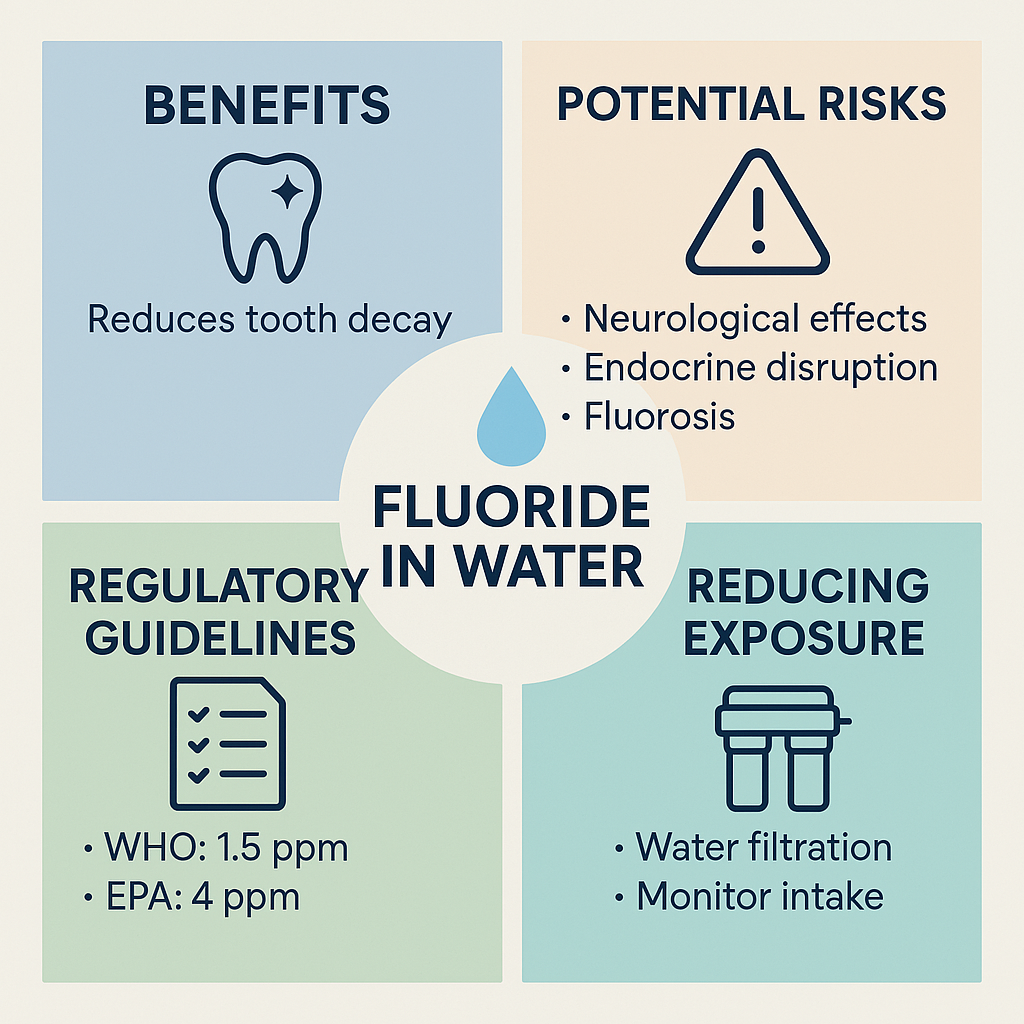
Reverse osmosis is one of the most effective filtration methods available. It uses a semipermeable membrane with microscopic pores to remove:
-
Dissolved salts
-
Heavy metals
-
Fluoride
-
PFAS
-
Bacteria and viruses
-
Total dissolved solids (TDS)
RO systems are ideal for areas with poor water quality, older plumbing, or high mineral content. Many modern systems also include post-carbon polishing filters to enhance taste.
Ultrafiltration (UF): High Flow with Zero Electricity
UF filtration uses a hollow-fiber membrane to block impurities like:
-
Bacteria
-
Some viruses
-
Suspended particles
Unlike RO systems, UF does not remove beneficial minerals and operates without electricity, making it cost-effective and environmentally friendly. It’s perfect for households with moderately clean tap water.
Activated Carbon: Improving Taste and Odor
Activated carbon is one of the most popular materials in water filters because it efficiently removes:
-
Chlorine
-
Organic compounds
-
Chemical disinfectants
-
Odors
-
Certain pesticides
It’s often used in refrigerator filters, coffee machine filters, faucet filters, and pre-filters for RO systems.
Sediment and PP Filters: The First Line of Defense
Sediment filters are essential for blocking:
-
Sand
-
Dirt
-
Rust
-
Silt
They protect downstream filters from clogging and extend the lifespan of the entire system.
Ion Exchange Resin: Softening and Heavy Metal Removal
Many filters include ion exchange resin to reduce:
-
Calcium and magnesium (hardness)
-
Lead and copper
-
Certain radioactive ions
This helps prevent scale buildup in appliances, improves coffee machine performance, and enhances water taste.
The Future of Water Filtration
Manufacturers continue to innovate with:
-
Longer-lasting cartridges
-
Higher-flow membranes
-
Eco-friendly materials
-
Smart filter life indicators
-
Compact, space-saving systems
With these advancements, modern water filters are safer, more efficient, and more convenient than ever before.